
Where Do Museums Get Their Items
Have you ever wondered where museums get their artifacts? Museums are many things, but at the heart of the education, preservation, and conservation efforts put forward by these institutions are the items themselves. All of the items housed in a museum are collectively referred to as the museum collection, and it is important to maintain the provenance of each and every item. Provenance refers to the places an object has been and the people it has belonged to over time. This includes the history of the object’s creation as well as its more modern ownership leading up to where it lives today. Different objects and artifacts come to museums in a wide variety of ways that have bearing on museum ethics, law, and ownership. Museums gain and lose items over time for a wide variety of reasons. Collection policies and mission statements did not exist in the early days of museums, and as a result many institutions will donate, loan, or sell objects to keep items preserved whilst maintaining the individual museums’ collection standards.
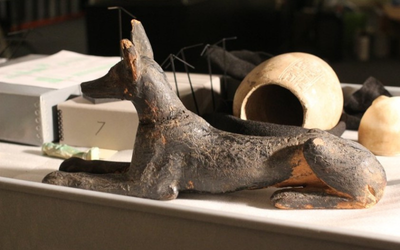
An image of collections being processed during the renovation of the Seeking A’Aru Exhibit.
Donations
Many museums, especially those tied to small communities, have formed their collection around donated items. These might be artifacts or artwork that has been passed down through a family, or items belonging to a personal collector. Objects can also be donated by organizations, especially if they contribute to the focus of the museum or exhibit. Most institutions have a collection policy that dictates the types of items that they collect. As a result, museums often have to turn down donations because items either do not fit the collection policy or are overrepresented within it.
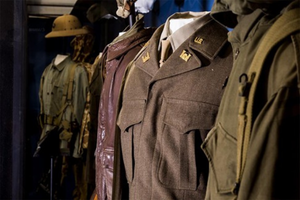
Many of the military artifacts found on the second floor were donated to the Museum of World Treasures.
Loans
Sometimes museums will share items between institutions. Oftentimes different museums will own objects that are related to each other. Having these items on loan helps to build upon the narrative of exhibits that utilize related owned items. Additionally, museums may collaborate with heritage institutions to house and care for their artifacts, as well as exhibit them.
The Museum of World Treasures began as the personal collection of Dr. Jon Kardatzke. As a result, many of the items were loaned to Dr. Kadatzke by other collectors who has a vested interest in the museum being formed. For more information on Dr. Kardatzke and the history of our museum, check out the about page. Items from our permanent collection have also been loaned to various non-profit institutions in the U.S. By collaborating together, museums can form effective narratives from a wide variety of artifacts and artwork.
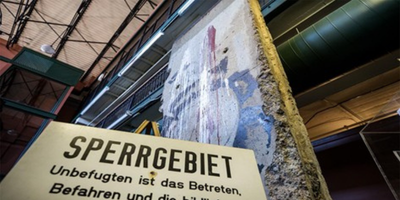
The piece of the Berlin Wall at the museum in on loan from the American Overseas Schools Historical Society (AOSHS).
Purchases
Sometimes museums will buy items in order to fill niches or gaps within the collection that are lacking. This often includes the collection of items belonging to subcategories that are underrepresented in the museum’s focus area. When an item is purchased by a museum that it called accessioning. When an object is accessioned to a museum collection it is integrated into the collection management system. This is a cataloguing process that organizes the collection and is a vital part of the legal process of transferring ownership. When a museum wants to get rid of an owned item, that process is called deaccessioning. Similarly, this process involves alterations to the collection cataloguing system and the legal paperwork. Accessioning and deaccessioning can look different depending on the item’s age, value, size, and much more. Usually, museum items will be deaccessioned if they do not fit the collection policy, are being sold, or are being permanently removed from the collection due to damages. This is a nuanced legal issue all museums contend with, and you can check out this toolkit from the American Alliance of Museums (AAM) for more information.
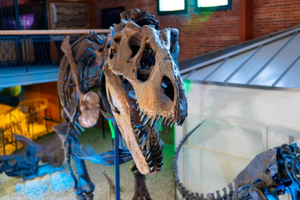
Although many of our items began on loan, Museum of World Treasures has purchased many of them over time. Currently, 82% of our collection is owned.
University Collections
University museums gain and lose objects in all of the above ways. In addition to this, they can gain items via student and faculty collaboration. Anthropological, historical, natural science, and art collections at university museums often include objects born of the research, findings, and/or creation of their own institution over time. This includes artifacts born of archaeological, paleontological, and ethnographic field work done under the direction of a given university.
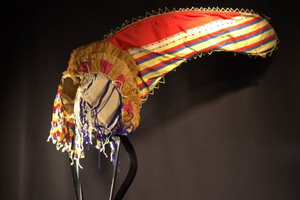
The Lowell D. Holmes Museum of Anthropology at Wichita State University houses objects such as this headdress acquired from the fieldwork of the late Dr. Dorothy Billings.
Key Takeaways
Today, museum collections are a combination of owned, loaned, and donated items that fit into the collection policy of a given institution. The movement of these items in, out, and between museums is a legal process that is important to track. This information is called provenance, and it is recorded for every item in a collection.
Managing museum collections is no small job. The Museum of World Treasures has approximately 9,000 items in our collection, and other local institutions such as the Wichita-Sedgwick County Historical Museum have over 30,000. Most museums aim to have 10% or less of their collection on display, however they are responsible for the protection and preservation of all items and the documentation of their provenance. To fulfil the legal and ethical requirements of collections management, many museums have a dedicated department of permanent staff, interns, and/or volunteers. To learn more about the legal and ethical responsibilities of museums, check out the AAM’s guidelines or ask an employee on your next visit.
